The Data Center track enables you to demonstrate competence with advanced data center technologies and related configuration and troubleshooting skills. JNCIS-DC is at the pinnacle of the data center certification track.
This course is intended for anyone interested in learning JNCIS from basic.
Network Engineer
IT Network Infrastructure
Freelancer
Anyone who want to build the carrier in networking
CURRICULUM
Protocol-Independent Routing
Identify the concepts, operation, or functionality of various protocol-independent routing components:
Static, aggregate, and generated routes
Martian addresses
Routing instances, including routing information base (RIB) (also known as routing table) group
Load balancing
Filter-based forwarding
Demonstrate knowledge of how to configure, monitor, or troubleshoot various protocol-independent routing components:
Static, aggregate, and generated routes
Load balancing
Filter-based forwarding
Open Shortest Path First (OSPF)
Identify the concepts, operation, or functionality of OSPF:
Link-state database
OSPF packet types
Router ID
Adjacencies and neighbors
Designated router and backup designated router
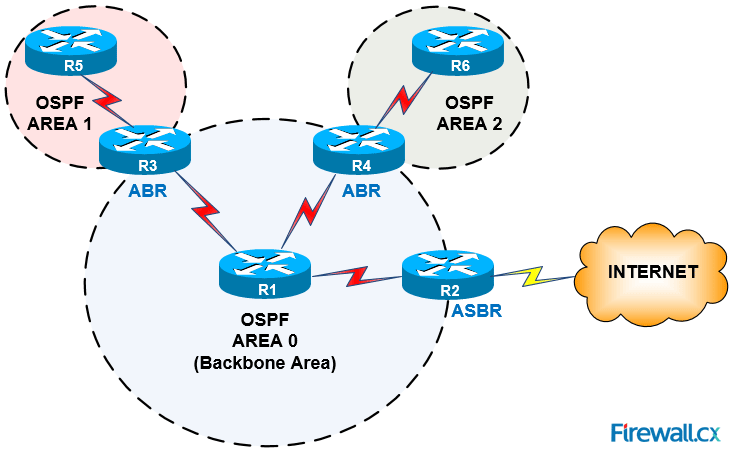
OSPF area and router types
Link-state advertisement (LSA) packet type
Demonstrate knowledge of how to configure, monitor, or troubleshoot OSPF:
Areas, interfaces and neighbors
Additional basic options
Routing policy application
Troubleshooting tools
Intermediate System to Intermediate System (IS-IS)
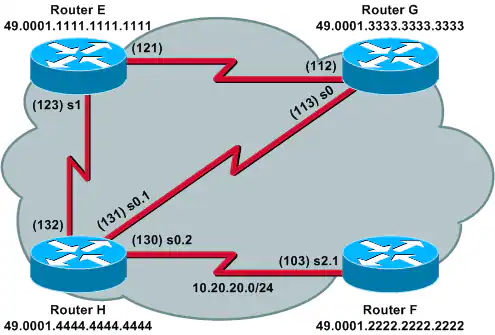
Identify the concepts, operation, or functionality of IS-IS:
Link-state database
IS-IS protocol data units (PDUs)
Type, length, values (TLVs)
Adjacencies and neighbors
Levels and areas
Designated intermediate system (DIS)
Metrics
Demonstrate knowledge of how to configure, monitor, or troubleshoot IS-IS:
Levels, interfaces and adjacencies
Additional basic options
Routing policy application
Troubleshooting tools
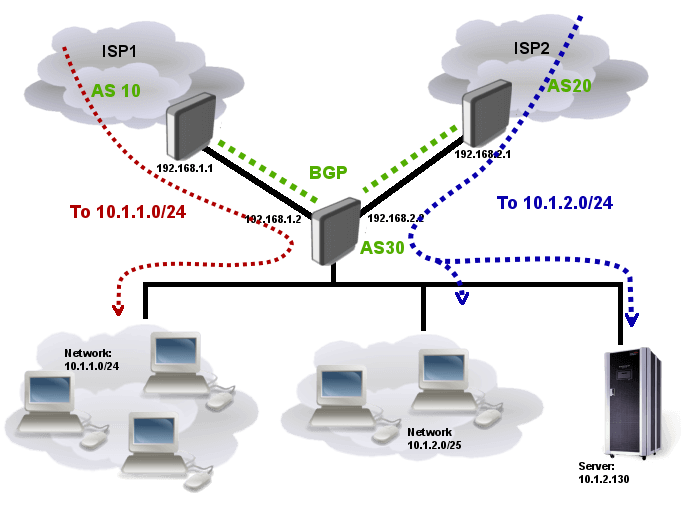
Border Gateway Protocol (BGP)
Identify the concepts, operation, or functionality of BGP:
BGP basic operation
BGP message types
Attributes
Route/path selection process
Internal and external BGP (IBGP and EBGP) functionality and interaction
Demonstrate knowledge of how to configure, monitor, or troubleshoot BGP:
Groups and peers
Additional basic options
Routing policy application
Layer 2 Bridging or VLANs
Identify the concepts, operation, or functionality of Layer 2 bridging for the Junos OS:
Service provider switching platforms
Bridging elements and terminology
Frame processing
Virtual Switches
Provider bridging (Q-in-Q tunneling)
Identify the concepts, benefits, or functionality of VLANs:
Port modes
Tagging
Integrated Routing and
Bridging (IRB)
Demonstrate knowledge of how to configure, monitor, or troubleshoot Layer 2 bridging or VLANs:
Interfaces and ports
VLANs
IRB
Provider bridging
Spanning-Tree Protocols
Identify the concepts, benefits, operation, or functionality of Spanning Tree Protocol and its variants:
Spanning Tree Protocol (STP), Rapid Spanning Tree Protocol (RSTP), Multiple Spanning Tree Protocol (MSTP), and VLAN Spanning Tree Protocol (VSTP) concepts
Port roles and states Bridge Protocol Data Units (BPDUs)
Convergence and reconvergence
Spanning-tree security
Demonstrate knowledge of how to configure, monitor, or troubleshoot STP and its variants:
Spanning-tree protocols (STP, RSTP, MSTP, VSTP)
BPDU, loop and root protection
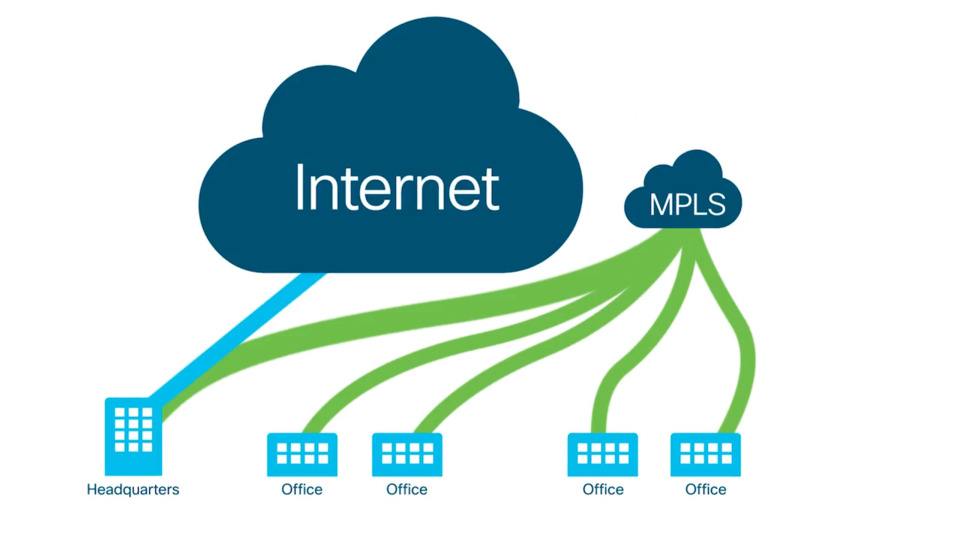
Multiprotocol Label Switching (MPLS)
Identify the concepts, operation, or functionality of MPLS:
MPLS terminology
MPLS packet header
End-to-end packet flow and forwarding
Labels and the label information base
MPLS and routing tables
RSVP
LDP
Segment routing
Demonstrate knowledge of how to configure, monitor, or troubleshoot MPLS:
MPLS forwarding
RSVP-signaled and LDP-signaled Label-Switched Paths (LSPs)
IPv6
Identify the concepts, operation, or functionality of IPv6:
IPv4 versus IPv6
Address types, notation, and format
Address scopes
Autoconfiguration
Tunneling
Demonstrate knowledge of how to configure, monitor, or troubleshooting IPv6:
Interfaces
Static routes
Dynamic routing (OSPFv3, IS-IS, BGP)
IPv6 over IPv4 tunneling
Tunnels
Identify the concepts, requirements, or functionality of IP tunneling:
Tunneling applications and considerations
Generic routing encapsulation (GRE) Demonstrate knowledge of how to configure, monitor, or troubleshoot IP tunnels:
GRE
High Availability
Identify the concepts, benefits, applications, or requirements of high availability:
Link aggregation groups (LAGs) and multichassis LAGs (MC- LAGs)
Graceful restart (GR)
Graceful Routing Engine switchover (GRES)
Nonstop bridging (NSB)
Nonstop active routing (NSR)
Bidirectional Forwarding Detection (BFD)
Virtual Router Redundancy Protocol (VRRP)
Unified In-Service Software Upgrade (ISSU)
Demonstrate knowledge of how to configure, monitor, or troubleshoot high availability components: