MikroTik Certified Routing Engineer is an advanced certification that covers different aspects of routing, relevant to larger networks and ISPs, with focus on OSPF with single and multiple areas, Policy Routing, and advance use of static routing. MTCRE Exam also covers the configuration of multi-homed devices, for Load Balancing and Failover. MTCRE is a requirement for the third level certification – MTCINE, MTCSE
This course is intended for anyone interested in learning MikroTik routing.
ISP Owner / Network Engineer
Network Consultant
Anyone who want to build the carrier in networking
By the end of this training session, the student will be familiar with routing . He will also be able to configure link redundancy (load balancing, failover), policy routing, vlan and tunneling.
CURRICULUM
Section 1: Routing Overview
1. MikroTik Routing Concept
What is router and routing
When we use routing?
Routing Information Base (RIB)
Forwarding Information Base (FIB)
Routing decision
2. Static vs Dynamic Routing Protocol
The different between static route and dynamic route
The different between Interior and Exterior Gateway Protocol
Section 2: Static Routing
3. MikroTik Static Routing Concept
Destination-address
Gateway and check gateway
Distance
Scope and target scope
4. MikroTik Static Routing Configuration
Creating routes Setting default route
Implementing static routing on simple network
5. MikroTik Load Balancing
Types of load balancing in MikroTik
Load balancing Equal Cost Multiple Path (ECMP)
6. MikroTik Failover
Administrative Distance
Check Gateway implementation
7. MikroTik Routing Policy
Mangle routing mark
Push specific traffic through one specific gateway
8. MikroTik Recursive Routing
Scope and target scope
Recursive nexthope lookup
Section 3: OSPF
9. OSPF Overview
What is OSPF
How OSPF protocol works
10. OSPF Network Structure
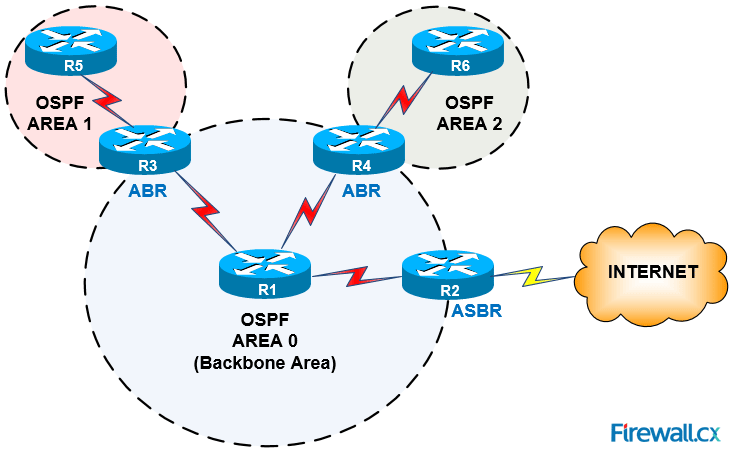
OSPF Area (backbone, NSSA, Stub)
DR, BDR
IR, ABR, ASBR
OSPF LSA
11. OSPF External Route Distribution Methods
Redistribute
AS Type-1
AS Type-2
12. OSPF Interface Type and Interface Cost
Point to Point
Bradcast
Point to Multi Point
NBMA
13. OSPF Security
Passive Interface
OSPF authentication methods
14. OSPF Virtual Link
OSPF Virtual Link
Extended backbone area
15. OSPF Redundancy
Dijkstra Algorithm
OSPF load balancing
OSPF fail over
16. Routing Filter
Filtering Prefix
Change route parameters
Section 4: MikroTik VLAN
17. VLAN Overview
802.1Q
QinQ
18. VLAN in RouterOS
Create VLAN in RouterOS
Section 5: VPN
19. MikroTik EOIP Tunnel
Site to Site layer 2 tunnel
20. PPP Tunnel
PPP Tunnel
PPTP Tunnel
L2TP Tunnel
PPPOE Tunnel
21. Point to Point Addressing
Using /32 IP address for tunnel
Section 6: Mesh Made Easy (MME)
22. MME Overview
Quick introduction of MME as an alternative to OSPF over wireless network