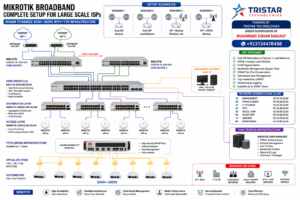

MikroTik RouterOS is a robust operating system designed to secure and manage network environments efficiently. It integrates a wide array of cybersecurity features suitable for both small and large-scale networks.
Key Security Features
- Firewall: Built-in configurable firewall to filter traffic and block unauthorized access.
- NAT (Network Address Translation): Conceals internal IP addresses from the public internet, reducing exposure to external threats.
- Port Forwarding: Enables access to internal services while maintaining perimeter protection.
- VPN Support: Offers support for PPTP, L2TP, OpenVPN, and IPsec for secure remote connections.
- Traffic Control: Implements traffic shaping, prioritization, and bandwidth management to prevent network abuse.
Security Best Practices
- Change Default Passwords: Always update default credentials to avoid unauthorized access.
- Use Strong Passwords: Enforce strong, unique passwords across all services.
- Keep RouterOS Updated: Regular updates ensure protection against known vulnerabilities.
- Configure Firewall Rules: Limit traffic exposure by defining strict firewall policies.
- Monitor System Logs: Regular log reviews help identify anomalies and early signs of intrusion.
Advanced Security Features
- Intrusion Detection System (IDS): Detects and alerts on suspicious traffic patterns.
- Bandwidth Limiting: Controls user access to bandwidth, preventing network resource exhaustion.
- Connection Tracking: Monitors sessions for abnormal behavior and potential threats.
Key Benefits
- Enhanced Network Security: Comprehensive toolset to defend against cyber threats.
- High Configurability: Tailor-made settings for diverse network environments.
- Cost Efficiency: Delivers enterprise-grade security at a lower cost.
Conclusion
By leveraging MikroTik RouterOS’s rich security features and adhering to best practices, organizations can significantly strengthen their network defenses while maintaining flexibility and cost-effectiveness.